First Full Marathon

A real story. Real Garmin data. And the 7 training methods that got me under 4 hours.
I didn’t grow up as a runner.
For most of my 30s, running felt like punishment. I played soccer in my younger years, then life took over — work, family, sedentary desk hours. By the time COVID hit, I was barely moving.
Then, on September 6, 2024, I laced up my shoes and started running for the first time. Not racing. Not training. Just running.
Less than two years later, I crossed the finish line of the 2026 BMO Vancouver Marathon in 3 hours and 57 minutes.
Sub-4. First attempt.
This post is everything I did to get there — not a generic training plan you’ll find on a fitness website, but the specific methods, mistakes, and mindset shifts that actually worked for a 40-something beginner.
First, the Honest Part: My Body Almost Quit at 30km
I need to be upfront about something.
The race didn’t go perfectly. Around the 30km mark — just past Burrard Bridge — my legs started sending distress signals. Not my lungs. Not my heart. My legs.
My cardiovascular system was fine. My VO2Max was 54 (Garmin-measured), my Endurance Score sat at an elite-tier 6,939. Aerobically, I was prepared.
But my leg muscles — especially the quads — weren’t ready for the final 12km of a full marathon. I hadn’t done enough strength work. That’s my honest assessment.
I still finished in 3:57. But if I’d trained my legs harder, 3:45 was possible.
I’m telling you this because most “how I ran a marathon” posts skip the hard truths. This one won’t.
My Starting Point (So You Know This Is Real)
- Running experience at race day: 1 year, 8 months
- Age: Early 40s
- Previous athletic background: Soccer (stopped years ago), then almost nothing
- Peak training month: ~215km
- Sustainable monthly mileage: ~129km
- Watch: Garmin Forerunner 965
- Key Garmin metrics at peak:
- VO2Max: 54
- Endurance Score: 6,939 (“Superior”)
- HRV: 73ms (recovered, late March)
- Race target pace: 5:41/km
The 7 Training Methods That Actually Got Me to Sub-4
1. The Miracle Morning Run
Every training day started before sunrise.
I practice what I call Miracle Morning — an early morning routine built around intentional movement, reflection, and focus. The run isn’t just exercise. It’s the anchor of the day.
Why this matters for training: consistency beats intensity. Showing up at 5:30am when no one is watching, week after week, builds a different kind of mental durability. The same durability you need at kilometer 35 of a marathon when everything hurts.
If you can run in the dark before your day begins, you can run through the wall.
2. Zone 2 as the Foundation (Not Junk Miles)
The majority of my training — roughly 75-80% — was done at an easy, conversational pace.
This is called Zone 2 training. Your heart rate stays low (roughly 60-70% of max), you can hold a full conversation, and it feels almost too easy.
Most beginners run too hard, too often. They think easy running doesn’t “count.” It counts more than anything else.
Zone 2 builds:
- Mitochondrial density (your cells’ ability to produce energy)
- Fat adaptation (so you don’t bonk at 30km)
- Aerobic base that supports all faster training
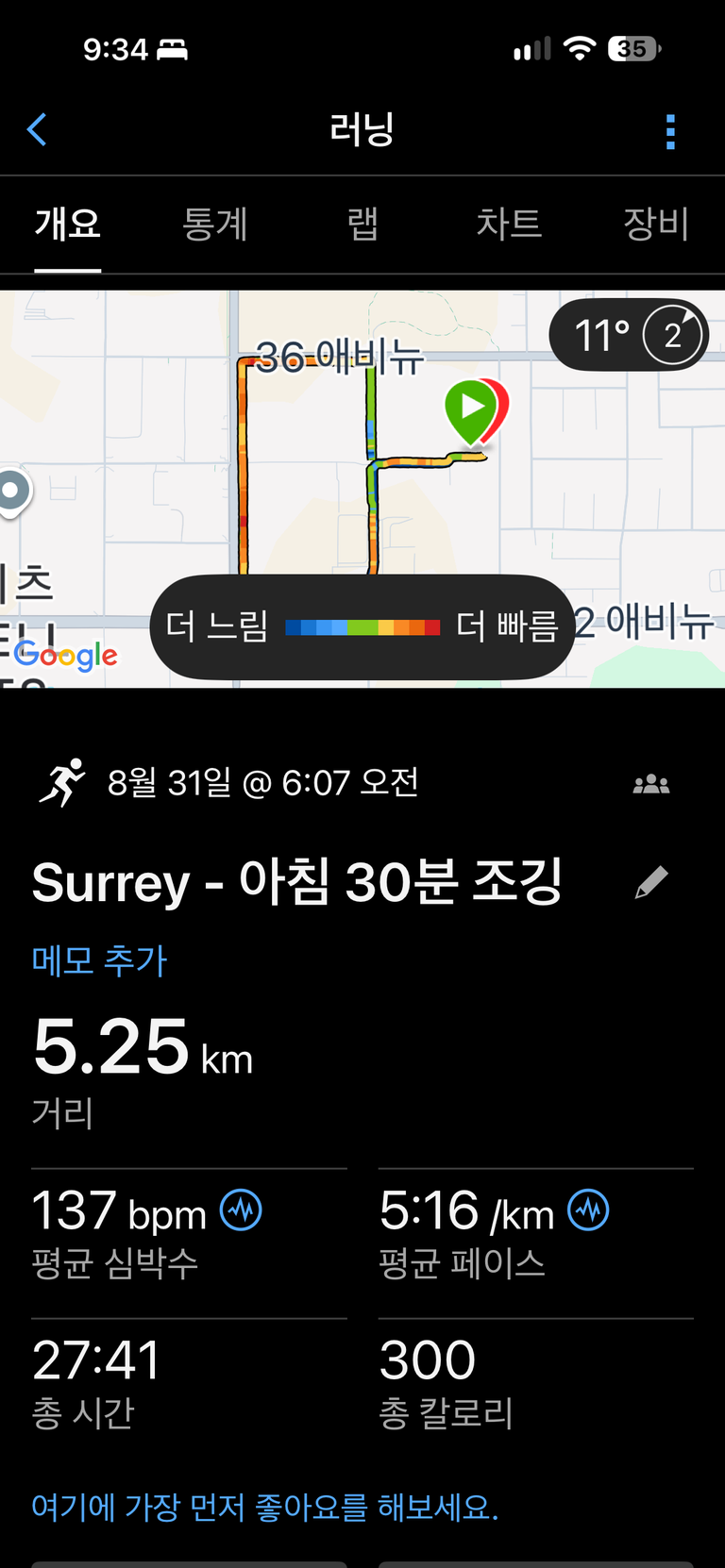
My easy runs looked like this: 10km at 6:00-6:20/km pace, heart rate around 130-140bpm. Not glamorous. Completely essential.
3. One Quality Session Per Week (Not Three)
Once my base was solid, I added one hard session per week — typically 1km intervals.
My interval pace: 4:42/km. Four to six repeats, with full recovery between each.
That’s it. One hard day. The rest easy.
I see beginners doing three hard sessions a week and wondering why they’re injured or burned out. Your body doesn’t adapt during the hard session. It adapts after, during recovery. You need to give it time.
One quality session, done right, is more valuable than three mediocre ones.
4. The Long Run as a Weekly Ritual
Every week, one long run. Building gradually.
My peak long run before BMO: 37km at 5:49/km pace.
The long run teaches your body to:
- Burn fat as fuel (critical after 30km)
- Stay mentally focused when tired
- Practice race-day nutrition and hydration
- Build muscular endurance in the legs (something I needed more of)
Key rule: the long run should feel controlled, not heroic. If you’re struggling at 25km, you ran it too fast. The pace should feel sustainable for another 10km.
5. Garmin Data as a Honest Mirror
I didn’t guess at my fitness. I measured it.
The Garmin Forerunner 965 gave me objective data that removed the guesswork:
VO2Max of 54 — This put me in the top tier for my age group. It told me sub-4 wasn’t just a hope; it was a legitimate target.
Endurance Score of 6,939 — Garmin’s composite measure of long-distance fitness. “Superior” rating. This was built almost entirely through consistent Zone 2 running over 18 months.
HRV (Heart Rate Variability) — I tracked this every morning. When my HRV was low, I ran easy or rested. When it recovered to 73ms, I knew my body was ready for quality work.
The data stopped me from both undertraining (when I felt lazy but the numbers said I was recovered) and overtraining (when I felt good but the numbers said rest).
6. Structured Taper (Don’t Skip This)
The three weeks before race day, I cut volume significantly.
Most beginners make one of two mistakes: they taper too aggressively (stopping almost all running) or not at all (still doing long runs the week before).
My race week looked like:
- Monday-Tuesday: Easy 5-6km runs to stay loose
- Wednesday: Rest
- Thursday: Short 3km shakeout with a few strides
- Friday: Complete rest + carb loading begins
- Saturday: Rest, hydration, sleep priority
- Sunday: Race day
The taper also meant prioritizing sleep (8+ hours), carbohydrate loading (rice, pasta, bread — not exotic, just consistent), and keeping legs fresh.
7. The Mental Framework: “This is a Picnic”
This sounds strange, but it worked.
Going into race day, my internal framing was: this is a picnic, not a battle.
I’d trained for this. The hard work was done. Race day was just the celebration — a long run through a beautiful city, surrounded by thousands of people who all showed up for the same reason.
This framing kept me from going out too fast (a killer mistake in marathons) and from spiraling when the legs got heavy at 30km.
When it hurt, I didn’t fight it. I acknowledged it, adjusted my form slightly, and kept moving.
Sub-4 isn’t about being the most talented. It’s about not making the big mistakes.
What I Would Do Differently
More leg strength work.
Squats, lunges, single-leg deadlifts, calf raises — these needed to be in my training from month one, not added as an afterthought.
The aerobic side was ready. The muscular side wasn’t. For my next marathon, that changes.
Earlier nutrition practice.
I practiced my gel timing in training, but not enough. Know your exact fueling schedule before race day. Don’t experiment on race day.
The Takeaway
Sub-4 in your first marathon is achievable without elite genetics, a professional coach, or decades of running history.
What it takes:
- Consistency over 12-18 months (more important than any single workout)
- Zone 2 as the foundation (easy running isn’t wasted running)
- One honest hard session per week (intervals or tempo, not both)
- Long runs done at a controlled pace (build to 35km+)
- Data-informed training (Garmin or any GPS watch — use the metrics)
- Respect the taper (trust what you’ve built)
- A mental frame that keeps you calm (not hyped, calm)
I started running at 42. I ran my first marathon 20 months later. I finished in 3:57.
If this resonates, I write about the specific training methods, gear, and Garmin data that got me here — everything is on this site.
Your sub-4 is closer than you think.
James runs and writes from Vancouver, BC. He tracks everything on a Garmin Forerunner 965 and has been running since September 2024.
작성자 소개